

Fears rural families in Laois will be among hardest hit by rising energy costs


Government supports are coming to an end in September
A Laois TD says rural communities are likely to be hardest hit by rising energy costs as calls mount for energy supports to be retained.
Independent TD Brian Stanley is calling on the Government to “keep energy supports in place coming into the autumn and over the winter period”.
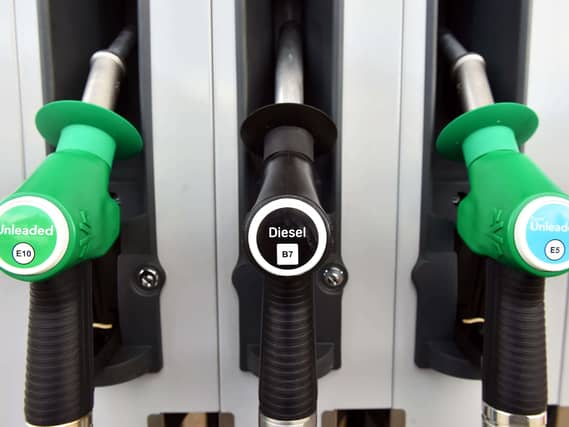
“Already road transport fuel prices have escalated sharply, with diesel gone up 19 cent in a month and petrol nine cent. This is happening at a time when household energy costs are also increasing.
“The number of households in electricity arrears has escalated to 328,000, that is 27,000 more than this time last year and 189,000 are in arrears with gas bills. This is particularly difficult for rural dwellers who have higher energy usage and have to use their cars for essential travel for work, business, school etc. All this is happening in the context of an escalating cost of living crisis,” said Deputy Stanley.
“The fuel supports in the form of tax reductions on petrol and diesel are due to be unwound by Government starting from September, this shouldn’t happen. There are also additional electricity network charges to be levied in the autumn on top of another carbon tax hike on fuel.
“I am calling on the Government to ensure that this doesn’t happen. They need to keep the fuel supports in place and that they cancel any further increase and hikes in carbon tax.
Given the level of arrears on electricity and gas bills, I am also calling on the Government to put in place an energy support package for households on income below €75,000 per year gross income. This should include an improved solar panel roof grant scheme for the household,” he said.
Those sentiments were echoed by Offaly TD Carol Nolan. The former Laois Offaly TD said the concerns raised by agricultural contractors about rising fuel costs and the future of the Fuel Support Scheme underline a wider failure by Government to grasp the realities of rural mobility and rural work.
Responding to the call from the Association of Farm & Forestry Contractors in Ireland (FCI) for the entire Fuel Support Scheme budget to remain within the agri sector, Deputy Nolan said contractors are right to insist that the funding must not be diluted or diverted.
She said contractors are facing unsustainable pressure and that without them, core farming and forestry operations simply cannot function:
“I recently met a large number of contractors at the Tullamore Show and all of them mentioned, in one form or another their clear view that government’s approach of treating rising fuel costs as a temporary inconvenience rather than a structural reality that affects every aspect of rural life is no longer sustainable,” Deputy Nolan said.
Dep Nolan also said that while contractors and transport operators urgently need certainty, rural households and rural workers also need fairness, and that the government must recognise that short‑term subsidies or politically convenient excise tweaks are not viable solutions, important as they are in the short term.
“I think we are at the point when we really should be considering longer term measures along the lines of a rural mobility dividend or a dedicated support payment recognising the unavoidable transport costs faced by rural families, rural workers, and rural apprentices who have no access to viable public transport alternatives or who face long, costly and excessive daily commutes.”
She said this would finally acknowledge that people in rural Ireland cannot simply reduce car use or switch to public transport where those options do not exist.
“Rising transport costs are directly undermining the ability of young people to take up apprenticeships in construction, engineering, and other trades that the government claims are essential for meeting housing and infrastructure targets. If ministers want more builders, electricians, plumbers, and skilled workers then they must make it financially possible for young people to travel.”
“A rural mobility dividend would be a practical and targeted way to support apprentices and strengthen the workforce that government policy depends on.”
“It is also critical that we haul in the heads of the energy companies as I have demanded time and time again to explain how they can continue to preside over the national scandal of record numbers of people in arrears and what for all intents and purposes is now the delivery of exploitation rather than affordable energy,” concluded Dep Nolan.