

Garda work-to-rule highlights ‘increase in chaos’ in justice system – Sinn Féin

Matt Carthy also cited the criminal legal aid dispute and prison overcrowding ‘on Jim O’Callaghan’s watch’.
The planned Garda work-to-rule is part of a “general increase in chaos” under Justice Minister Jim O’Callaghan, Sinn Féin has said.
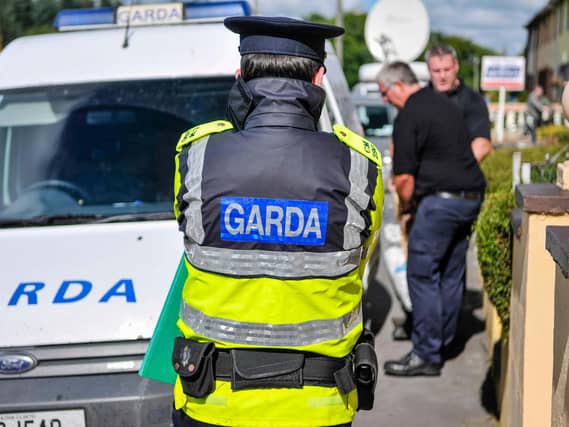
Rank-and-file gardaí are to engage in the action during the biggest days of the EU presidency.
The Garda Representative Association (GRA) argues that management is in breach of the working-time agreement for members, including around breaks between shifts.
The direction to members to participate in work-to-rule action will run between Tuesday November 10 and Saturday November 14.
This period includes the European Political Community meeting on November 12, as well as the informal meeting of the EU heads of state or government on November 13.
There are legal prohibitions on gardaí joining trade unions and participating in a strike, with the GRA instead considered a professional association with statutory footing.
The body has not ruled out further action, with its executive to meet on Monday morning to discuss other options including a withdrawal of services.
Policing the six-month presidency has seen many events officially designated as “extraordinary” by Garda management, a move which allows for the changing of rosters and shift times.
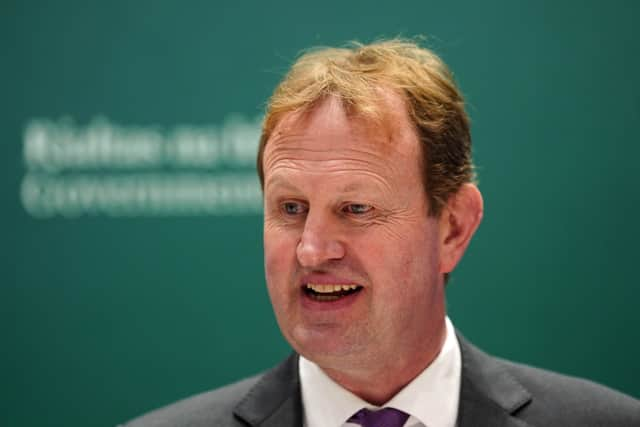
Matt Carthy, Sinn Féin justice spokesman and Oireachtas Justice Committee chairman, said: “The Garda Representative Association action is as a result of long-running issues around working conditions, including an accusation that Garda management has breached the working time agreement and the European working time directive.
“For far too long there has been an overdependence on overtime to deliver routine policing work due to insufficient Garda numbers.
“The pressures of Ireland’s presidency of the EU Council have clearly impacted on the situation, increasing the requirements for gardaí to work overtime to the extent that the GRA have now announced a work-to-rule next month.”
Mr Carthy added: “At the root of this is the failure to make any real progress on tackling the recruitment and retention crisis in An Garda Síochána.
“This is part of a general increase in chaos across the justice system on Jim O’Callaghan’s watch, from the criminal legal aid dispute to severe prison overcrowding.”
Mr O’Callaghan has agreed to engage in talks with the Law Society in relation to the withdrawal of services by criminal legal aid solicitors over changes to how they are paid.
Earlier, GRA president Niall Hodgins told RTÉ’s Morning Ireland it was a “very dark day for the history of industrial relations” within An Garda Síochána, as he claimed the working rights of members had been “absolutely trampled on”.

Commissioner Justin Kelly said he was “not unsympathetic” to gardaí as he acknowledged large events mean “people have to work long hours, sometimes in difficult circumstances”.
Mr Kelly said some members had raised concern about too much compulsory and directed overtime.
He added: “This is something that I’ve already discussed with my deputy commissioner in charge of operations.
“We’ll certainly look at reducing some of the overtime.
“We have some big events that are coming up shortly, but after that we’ll certainly look at reducing the amount of overtime.”
A spokesman for the Department of Justice said Mr O’Callaghan would encourage the GRA to use “well-developed industrial relations processes” to deal with any matters they wish to be addressed.
While the GRA does not have official trade union status, as an “excepted body” it is allowed to use the labour court and Workplace Relations Commission as avenues to resolve disputes.