

Double figure trolley figure surge in Laois at Portlaoise hospital


Nurses demand national action ahead of St Brigid's Day bank holiday
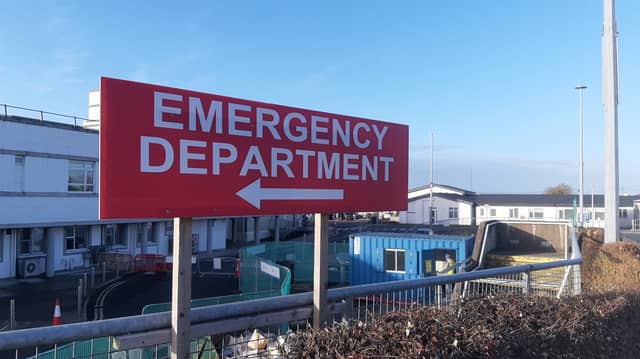
Frontline staff at Portlaoise hospital have had to redeploy 20 beds to the Emergency Department (ED/A&E) due to the latest surge in patient presentations.
Reprts from the Irish Nurses and Midwives Organisation and the HSE show 13 people on trollies in the Midland Regional Hospital Portlaoise ED on Tuesday, January 28.
The HSE provides detail in its daily Urgent and Emergency Care Hospital Status bulletin for all hospitals. It reports on surge capacity deployed and reveals that alongside the 13 on trolleys, 20 patients were accommodated in the assessment unit or day wards to cope until hospital beds become available.
The situation is not helped by the delayed discharges of patients who do not need to be in hospital any longer. A total of nine people have completed their inpatient hospital care but were still occupying a bed designated for such care.
A recent report by the health service watchdog HIQA found that A&E staff in the Portlaoise hospital depend on the Acute Medical and Surgical Assessment Unit (AMSAU) when patient numbers surge. It found that staff had to use surge capacity on nearly 90% of days from January to the end of May 2024. HIQA says the usefulness of the AMSAU diminishes when it is used to cope with patient surges.
Construction work to expand the Emergency Department is due to be completed in 2025.
Nationally, 770 admitted patients are waiting for beds on Tuesday, January 28, according to the day's INMO Trolley Watch. Of the total, 497 patients are waiting in the emergency department, while 273 are in wards elsewhere in the hospital.
The organisation called for action ahead of the Brigid's Day Public Holiday Weekend. The INMO General Secretary is Phil Ní Sheaghdha.
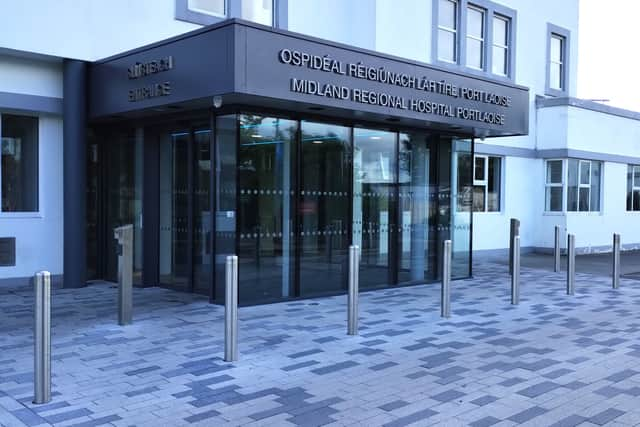
Portlaoise hospital. Pic: Leinster Express
“The HSE needs to immediately outline how it will be planning to discharge patients ahead of the weekend including the rostering on of senior clinical decision-makers across all sites.
“The sheer number of patients on trolleys is not helped by the fact that practically all hospitals are running short because of the HSE recruitment freeze which is having a detrimental impact on patient and staff safety.
“We are continuing to hear from our members that vulnerable patients being are being placed on infection control and other high-risk wards, despite nursing staff identifying significant risks. This practice needs to end.
“It is clear that there has been no let up for patients and nursing staff trying to care safely in impossible conditions,” she concluded.