

Incredible rise of Laois dumping levels but anti-dumping CCTV cameras returning

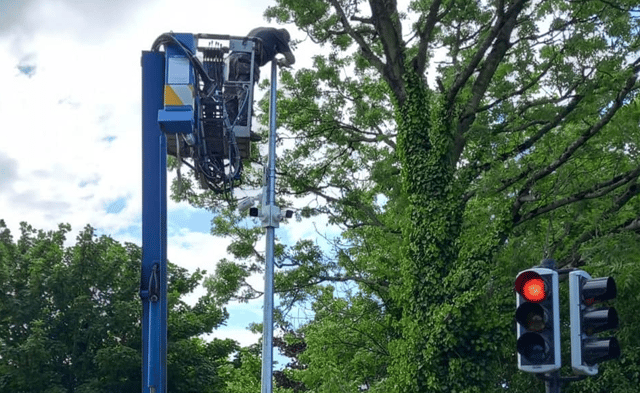

Dumping figures have tripled since the camera ban in 2020
As the legal red tape preventing anti-dumping CCTV cameras nears an end, the level of dumping in Laois has rocketed to record levels.
It is four years since GDPR regulations shut down the cameras across Irish countrysides, which had been a big weapon in the war to identify and prosecute illegal dumpers.
The amount of waste collected up the Laois County Council environment staff has shot up, but an update gives hope that the cameras can soon turn back.
In 2019 when the cameras were running, there were 367 tonnes of waste gathered up from the ditches, woodlands and roadsides of Laois. It included items like whole fitted kitchens, adult nappies, fridges, couches and mattresses.
It dropped to 238 tonnes in 2020 due to pandemic travel restrictions, but shot up to to 530 tonnes in 2021.
2022 hit a record of 649 tonnes gathered up.
2023 doubled that, reaching 1,336.98 tonnes by October, on track to reach over 1,600 tonnes.
This year, by the end of August, the figure stood at 1,136 tonnes, and is on course to again reach over 1,600 tonnes by December. The figures does not include the waste that is not collected up, or collected by private landowners such as Coillte.
Cllr Conor Bergin asked for an update on the new anti-dumping CCTV laws at the September meeting of Laois County Council.
In response, Acting Director of Services Paul McLoughlin gave the latest news.
"We are finalising a Data Impact Assessment. We are the first if not the second county only at this point. We will install the first scheme hopefully in the coming months," he said.
It follows long and complex new laws that had to be drafted up by the Local Government Management Agency(LGMA).
It had to prepare three different Codes of Practice setting out the standards for using CCTV against illegal dumping. The codes had to be approved by the Minister for the Environment, in consultation with multiple other Ministers and the Data Protection Commission. Next came preparation of Data Protection Impact Assessments (DPIAs).