

HSE respond to 'high risk' bacteria inspection report at Portlaoise hospital

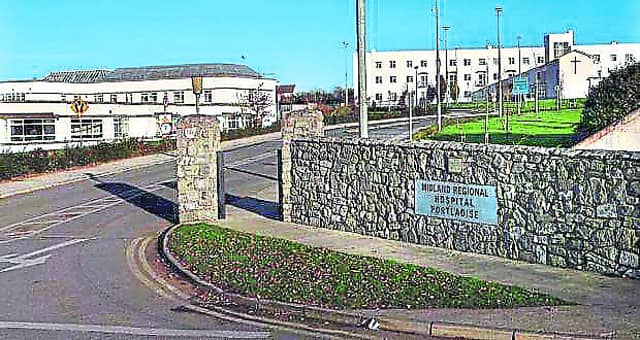

Portlaoise hospital's management have welcomed the findings of inspection by the Health Information Quality Authority (HIQA) which reveals some shortcomings in infection control measures including the 'high risk' posed by a deadly bacteria.
During Hiqa's inspection a risk was identified concerning non-compliance with the national screening guidelines in relation to antibiotic-resistant bacteria Carbapenemase-Producing Enterobacteriales (CPE).
Known as a 'nightmare bacteria' it is claimed CPE can kill up to half of patients who get bloodstream infections.
"In light of the limited treatment options and substantial mortality associated with infections caused by CPE, prevention and control measures are of the utmost importance," said Hiqua.
A letter sent by Hiqa on April 13 described the situation as 'high risk'. In a reply letter the HSE said CPE changes would be made including the submission of a business case to seek funding for the extra costs needed.
In response the publication of the Inspection report this week, Dublin Midland Hospital Group (DMHG) say the challenges in respect of CPE screening and compliance with the CPE National Guidelines as identified in the report are not unique to the Midland Regional Hospital Portlaoise.
In order to address these challenges, the the DMHG says hospital has taken a number of steps including:
· The development and implementation of an education programme to raise awareness around the hospitals responsibility to comply with CPE guidelines
· The hospital will monitor the increased volume of additional screening over the coming months to identify any further issues which may emerge in relation to the implementation of this guideline and will take the necessary corrective action.
· The Hospital Group are working with all sites based on allocation received from National HCAI to support the additional costs associated with the implementation of the CPE guideline.
In a statment, the HSE's Dublin Midland Hospital Group (DMHG) says that HIQA have acknowledged that staff at the hospital have actively endeavoured to strengthen governance and operational arrangements since the last inspection to support the prevention and control of healthcare-associated infection.
A DMHG statement says that the report produced following an unannounced inspection in April, 2018, identifies a number risks in respect of Health Care Aquired Infections (HCAI) at the hospital.
"It is acknowledged by HIQA that some risks identified at the hospital in relation to infrastructure and lack of isolation facilities which impeded effective infection prevention and control as they exist cannot be sufficiently mitigated at local hospital management level.
"However, as recommended in the report the hospital will continue to assess and manage the impact of these risks in relation to the infection prevention and control programme and will respond accordingly in conjunction with Hospital Group and HSE.
"In addition the hospital will incorporate the findings of this report as part of any future infrastructural developments and refurbishments at the hospital," said a statment.
Michael Knowles, Hospital Manager at Portlaoise welcomes the positive findings in the report but acknowledges that a number of key issues identified will be addressed.
"I wish to acknowledge the efforts and commitment of staff for their role in supporting the prevention and control of healthcare-associated infections (HCAI) at the hospital. Patient safety and welfare is at the heart of everything we do. This report has highlighted where we need to improve and do better, particularly in respect of CPE.
"Progress is being made at our hospital to ensure high standards are achieved and maintained. We strive to meet all national standards and have in place, improved governance structures and clear lines of accountability in place to support the prevention and control of healthcare associated infection,” he said.
The DMHG says the report on the Dublin Midland Hospital Portlaoise found;
· The HIQA inspection microbiology department at the hospital has been accredited by the National Accreditation Board.
· The Hospital had a well structured antimicrobial stewardship programme
· 94% compliance rate in the national hand hygiene audit in October 2017 which is above the current required compliance target of 90% set by the HSE and 90-91% so far in the January – March 2018.
· Trended Hospital Hygiene audits results showed medical wards achieved a combined result of 89% compliance for environmental hygiene in Feb 2018.The Hospital regularly reviewed performance indicators in relation to the prevention and control of healthcare associated infection in line with HSE national reporting requirements and the HSE’s Business Information Unit
· Surgical site infection surveillance represents good practice and demonstrates a commitment to monitor the quality of patient care and is an important patient safety and quality assurance initiative
· The appointment of an antimicrobial pharmacist at the Hospital