

Months-long hosepipe ban lifted early in Laois

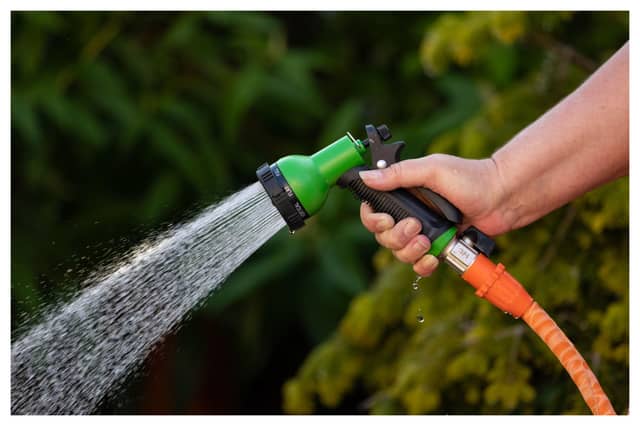

A hosepipe ban has been in effect in Laois since July
The Water Conservation Order which has been in place in Laois since July has now been lifted by Uisce Éireann.
The hosepipe ban was issued by Uisce Éireann during what was the hottest and driest July on record.
Uisce Éireann issued the conservation order for Laois and the entire country due to the exceptionally high demand putting significant pressure on public water supplies.
It was originally due to end on Wednesday, August 26, however it remained in place for Laois and 12 other counties until the end of September to help conserve available water and protect supplies for homes, businesses, farms, hospitals, vulnerable customers and essential services.
The order has now been lifted for Laois and the remaining counties two weeks earlier than planned.
The hosepipe ban will officially be lifted as of Wednesday, September 16.
Uisce Éireann said this decision reflects an increase in rainfall and water availability alongside the “extraordinary efforts made by households, businesses, farms and communities across Ireland to reduce water use.”
Commenting on the decision to lift the hosepipe ban, Uisce Éireann Asset Strategy Senior Manager, Mairead Conlon said: “We want to thank households and communities across Laois for their support while the Water Conservation Order was in place.
“By cutting back on non-essential water use, people helped protect local supplies and maintain drinking water for the homes, farms, hospitals, vulnerable customers and essential services that rely on it every day.”
Ms Conlon, however, continued to urge careful water usage.
“While the Water Conservation Order is ending earlier than planned, we are encouraging everyone to continue using water wisely. The past few months have shown the value of being mindful about how we use water and the positive impact small actions can have when taken together.
“Continued water conservation will help support the recovery of local water sources and ensure water remains available when communities need it most.”