

Opinion: Presidency puts spotlight on our powerless county councillors

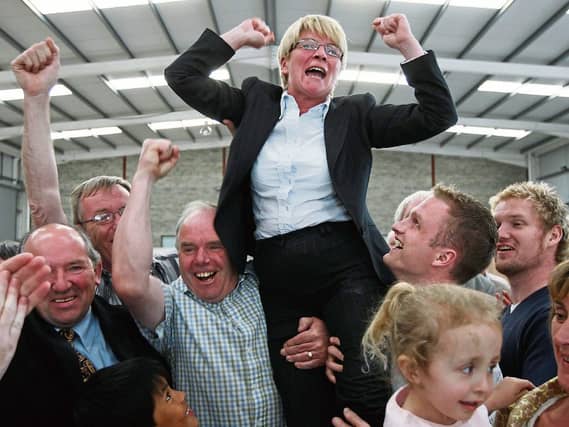

The presidential election has catapulted county councillors in Laois and the rest of the country into the national spotlight.
The Constitution gives councillors the right to nominate candidates for the presidential election. So, it has given some politicans a chance to make headlines locally and nationally.
Inadvertently, the process shines a light on the sorry state local democracy finds itself .
Many factors have combined over a number of years to undermine county councillors. In truth, they have become little more than voices for public concerns and, at most, people who, sometimes, can get roads and lights fixed.
All to often, they are dismissed by civil servants, TDs, Ministers and the national media.
They are dismissed because they have lttle power, authority or responsiblity. Yes, they can highlight issues and can achieve some tasks, but they are frozen out when it comes to having a direct day-to-day role in the provision of local services and deciding how the millions of county councils budgets get spent.
In the past few days the Minister for Housing, Eoghan Murphy an d the Taoiseach, Leo Vardadkar took aim at local authorities. They blamed councillors and councils for not moving fast enough to tackle the housing crisis.
It was immediately seen as a cheap shot on Dublin councils to deflect the focus from themselves.
The councillors and councils were an easy target for the Minister who is hardly the shining light in Government, for all his polish.
He got away with it until the chief executive of Fingal County Council contradicted him. He said all the housing targets set for his north county Dublin area had been met and exceeded.
That softened Minister Murphy's cough quickly enough, and no more stones were thrown.
But, why the hell did a civil servant have to respond? Heads of Government Departments hardly ever speak in public. It is left to the democratically elected minister or ministers to speak on behalf of departments.
Yet, it has become accepted that the the most powerful people in local government are not those elected by the people, but civil servants.
Each county now has a chief executive officer who calls the shots. He or she sometimes has to get the go ahead from councillors but, by and large, that has become a rubber stamping excercise.
The truth is our councillors have been neutered by TDs and the civil servants. To some extent corruption has also contributed.
Not so long ago a government minister could be a councillor. When that stopped, TDs had to ensure that councillors had less power.
The removal of the dual mandate was designed to make TDs less focused on local issues. In reality, it made them more focused on their own back yards. If the TD can be seen to be the one to sort out a local issue to get votes, why would they allow local councillors to have powers to solve local problems? Why would voters ask councillors?
An article in a national newspaper last weekend described Minister Kevin Boxer Moran as a 'local politican'.
The Healy-Raes in Kerry are the classic example of TDs doing the work councillors should be responsible for, but also empowered to carry out.
Next year around 60,000 Laois people will have a vote in the local elections. Less than half of those people will vote.
If the results of the last local elections are repeated, a number of councillor are likely to be elected on the back of getting 800 number ones. That is about 1% of those entitled to vote.
Last time around the towns of Portarlington and Mountmellick were left with just one councillor residing in each town while less populated rural areas were left over represented. This trend is likely to be repeated in 2019.
Most councillors are dedicated public representatives but they must be given more authority and responsibility to sort out issues such as housing, and not just have street lights replaced and get potholes filled.