

Big step on long journey to making Rock of Dunamaise more accessible to visitors

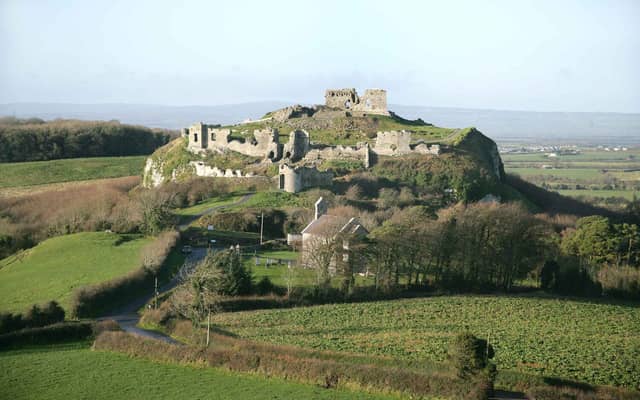

Laois County Council building tourist facility at historic castle ruins
Companies have been invited to bid for the contract to build the long planned for visitor carpark at the Rock of Dunamaise between Portlaoise and Stradbally.
The historic castle site that is located along the busy N80 is due to get a 44 space carpark that will also have bus parking.
Laois County Council and Fáilte Ireland are seeking tenders to surface the carpark, supported by the Just Transition Fund.
They estimate that the "blacktop" surfacing contract could cost €100,000.
"We hope the carpark will be open by August," a council spokesperson told the Leinster Express / Laois Live.
An exciting architectural dig was held last summer for several months on the site of the carpark.
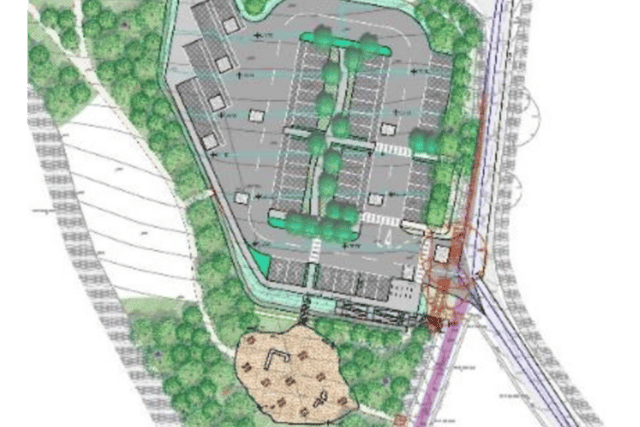
The new carpark will also have toilet facilities, thanks to the cooperation of the Church of Ireland community who will open their 19th century chapel during daylight hours for visitors to use their upgraded toilets, and also visit its pretty interior.
There will also be two power points providing foodtrucks with the potential to park onsite. For safety, the carpark will be closed outside of daylight hours, as the Rock is a dangerous to visit, even in daylight hours.
There will be no lighting, however, nor any bins, for environmental reasons.
The Rock of Dunamase is a historic 46-meter-high limestone outcrop featuring12th-century Anglo-Norman castle ruins. Originally a 9th-century Christian settlement, it later became a strategic fortress.
From the 1400s and until the 16th century, it was part of the land of the powerful O'More family who ruled Laois for several hundreds of years until they faced great opposition from the English as part of Plantations of Ireland.
The site is popular with locals and tourists, not just because of its historical significance but also because it offers spectacular views across Laois and several counties.