

Deer on the move: Crossings and collisions reported on Laois roads
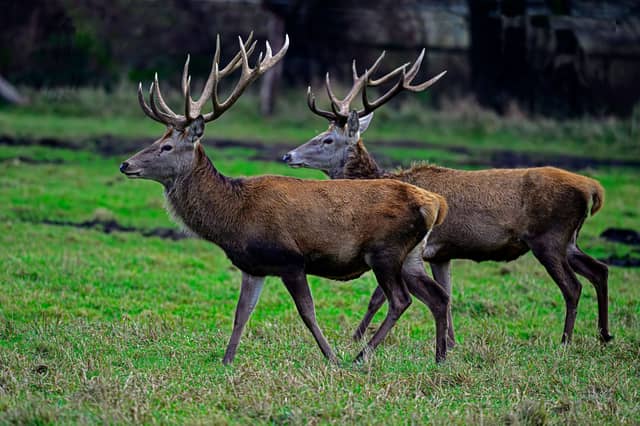

Vigilance urged on roads from Abbeyleix to Durrow and Ballacolla as deer become active during rutting season
Drivers are urged to reduce speed and practice vigilance on the Durrow and Ballacolla roads out of Abbeyleix after reports of collisions with crossing deer.
Abbeyleix resident Jason Phelan encountered four deer killed on the Durrow / Abbeyleix road over a 24-hour period on October 25, 2026, including one serious collision with a stag (an adult male deer).
“I love watching [deer], I love them, I think they’re magnificent,” Mr Phelan said. “But there’s a huge risk down there.”
He described how deer cross the road at speed, meaning, in darkness, the only warning a driver receives is a shadow across the headlights of oncoming traffic. “You just literally see the shadow, that’s how quick it happens,” Mr Phelan said.
While noting it may be a costly solution, Mr Phelan suggested the installation of laser beam devices which flank the road and, when broken by wildlife, flash to alert drivers.
Deer “rutting” season – a mating period when stags compete for females – is currently underway, meaning deer are active and more likely to cross roadways.
Peter Windsor, programme coordinator for Humane Dispatch Ireland, advised that deer are “moving around quite a lot at the minute” and urged drivers to take “extra caution.”
Humane Dispatch is a volunteer group that attends scenes of deer collisions and assesses the animals’ injuries. Where necessary, a volunteer will euthanise the deer.
Mr Windsor estimated that 80% of collisions require the deer to be dispatched. He did, however, describe deer as “resilient” creatures that can survive some impacts.
Luke Delaney, Laois / Offaly coordinator for Humane Dispatch, advised that, if you encounter an injured deer on the road, as well as contacting the Gardaí, you should directly contact Humane Dispatch so its volunteers can attend the scene as quickly as possible.
Humane Dispatch will request a location pin to determine the deer’s precise location.
“We come and we assess the scene and see if the deer is good enough to get back up and travel on, or if it has to be dispatched,” Mr Delaney said.
In recent months, Mr Delaney has attended several incidents in areas surrounding the Slieve Blooms like Kinnitty, Rosenallis and Clonaslee, where deer are active.
During rutting season, Humane Dispatch advise drivers to: reduce speed, stay alert (especially at dusk), be prepared to stop suddenly if a deer enters the road, take extra care in areas with deer warning signs, and dip their headlights if they see a deer – as full beams can cause them to freeze.